
Types of Badger Crime
Badger Crime is diverse and can include activities from badger baiting, shooting, snaring, poisoning, and lamping badgers with dogs, to sett interference such as blocking entrances or destruction of the sett in its entirety. As such, badger crime can be broadly grouped into three categories:
Malicious Crimes
The following crimes are counted as malicious badger crime under the Protection of Badgers Act 1992 (PBA), which means the perpetrator commits badger crime with the intent to cause harm or disruption to badgers and their setts:

Sett interference
Under the Protection of Badgers Act 1992, it is an offence to damage, destroy or block access to a badger sett, or to disturb badgers in their setts. Sett disturbance is the most common form of badger crime reported to Badger Trust. It comes in many forms and can fall under the category of both malicious and negligent crimes. Two common forms of sett interference include:
Badger Digging
Badger digging is the act of digging into a badger sett, usually to retrieve a badger to be baited by dogs later. Badger digging competitions are also held in rural events such as agricultural shows and can be disguised by perpetrators claiming to be digging into rabbit warrens, which are not protected by law.
Sett blocking
Sett blocking is the process of purposefully blocking the entrances of badger setts so that they cannot be used by badgers. Signs of sett blocking include the placement of bricks, fencing or debris in the entrance of badger setts.
Snaring
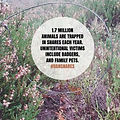
Snares have been used for centuries as a way of capturing wild animals; most often for the eventual killing. A snare is a wire noose that captures an animal around the neck with the intention to immobilise. While snares are not illegal, the intentional snaring of a badger is illegal.
In England and Wales, it is difficult to prosecute someone for snaring a badger, as it must be proven that the snare was set with the intention of capturing a badger. In Scotland, however, the law states that if the snare is set within an area likely to cause harm to a badger, then the snare has been set illegally.
Shooting
Unless under licence (i.e. badger culling) the shooting of badgers is illegal. Lamping is a night-time activity that is often linked with the illegal shooting of badgers.
Lamping
Lamping involves the use of a high powered spotlight to transfix the animal and then either shoot or use dogs to kill them.

Badger baiting
In modern times, badger baiting has come into popularity among bloodsports fans. For badger baiting, terriers are typically involved in the digging and are sent into badger setts with radio collars to locate the badgers. The signal from the radio collar is then tracked from above ground and the group will dig down into the sett to locate the dog and badgers.
Once the badger has been captured the real horror begins as the badgers are set upon by the dogs. During these fights, it is not uncommon for there to be two or more dogs fighting with the badger. Terriers, small stocky dogs, are typically involved in the fighting, whereas lurchers are used to chase any badger that attempts to flee. Once the badger has been overpowered by the dogs it is usually either killed by the dogs or beaten to death by the offenders.
Contemporary badger baiting is also linked with cyber-enabled wildlife crime, as gangs use social media to share badger crime, recruit diggers, and normalise violence against wildlife.
It is the strength, courage, and family loyalty of the badger that ensures it continues to be a target as badgers will defend themselves and their cubs until death. Second only to road traffic instances, badger baiting is the most common reason badgers receive veterinary attention in the UK and reported instances of badger baiting increased by 55% from 2019 to 2020. Under the Protection of Badgers Act, badger baiters can receive a mere six months in prison for harming or killing a badger.
Badgers are not the only victims of badger baiting. The dogs used in the fighting are also innocent victims. They suffer horrific injuries and are often not taken to a vet for treatment. Instead offenders either treat the dog themselves, abandon, or kill the dog if they are too badly injured and puts the owner at risk of prosecution for cruelty. Under the Animals Welfare Act, owners who use their dogs for baiting can receive up to five years in prison for infliction of unnecessary suffering to their domestic animals. Thus, the law favours the wellbeing and lives of domestic dogs over that of wild native badgers.
Whilst there have been a spate of court wins relating to badger baiting, the law is not robust enough to act as a deterrent to criminals. Badger Trust is trying to change that with its PBA30 Campaign.
Negligent Badger Crimes
The following crimes are recognised as negligent crimes under the Protection of Badgers Act 1992. Although negligent crimes are crimes committed without intent to harm or disrupt badgers or their setts, these activities are still illegal and include:
Sett interference: Forestry, farming and development
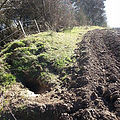
Operations within woodlands may come into conflict with badgers and their setts. Felling, the removal of timber, developments, cultivation, and quarrying, if carried out near a badger sett, may risk an offence under the Protection of Badgers Act.
Much the same as for forestry, agricultural operations carried out in the vicinity of a badger sett may also need a licence. Ploughing and the harvesting of crops are the most common cases where offences are committed. A protection zone of 30 metres is suggested as a guideline to avoid damage or disturbance to the badgers and their sett(s). Ploughing is also usually limited to a depth of 30cm to avoid damaging the structure of the sett.
Under the Town and County Planning Act, 1990, development is defined as “...the carrying out of building, engineering, mining or other operations in, on, over or under land, or the making of any material change in the use of any buildings or other land.” When applying for planning permission, developers are expected to be aware of protected areas and species where the development proposes to take place.
Find out more about works where licences may or not be needed:
Dogs stuck in badger setts
It is the responsibility of dog owners and walkers to keep dogs on a lead in areas where badgers may be present. This is even more important in the winter and spring months, when newborn cubs may be present underground and the smell, heightened by the cold air, can make dogs inquisitive. It is an offence to ‘damage, destroy, obstruct or cause a dog to enter a badger sett.’ So allowing your dog to go too near a badger sett at all is best avoided for you, your dog and the badgers.

Cyber-Enabled Wildlife Crime
Cyber-enabled wildlife crime – crimes against wild animals which are facilitated by the internet – is on the rise as online technologies become more widespread. Wildlife traffickers and bloodsport enthusiasts are using the internet to trade animals and promote cruelty towards wildlife, and more young people are being exposed to these illegal and harmful activities in online spaces.
Badgers are also victims of cyber-enabled wildlife crime as organised criminal gangs use the internet to arrange when and where they will target specific badger populations. They also share violent videos of badger baiting on social media, which normalises the persecution of the species and puts young people are risk from being recruited into criminal gangs. In the 2019 undercover BBC exposé, it was reported that criminal gangs were networking on Facebook to organise badger baiting activities. And a recent spate of badger baiting prosecutions used social media footage as evidence.
Not only is badger baiting an activity prohibited under the Protection of Badgers Act (1992) and the Wildlife and Countryside Act (1989), but the harm caused to the dogs involved also breaches the Animal Welfare Act (2006) . Baited dogs often suffer severe facial injuries from fighting with badgers which are left without veterinary treatment as the baiters fear being reported.
Cyber-enabled wildlife crime and the illegal persecution of badgers are two of five UK Wildlife Crime Priorities as set out by the National Wildlife Crime Unit (NWCU). Both these crimes are recognised by the Police to be causing significant harm to wildlife, the environment, and human society.
What is Badger Trust Doing to Tackle Cyber-Enabled Wildlife Crime?
As part of Badger Trust’s campaign to stop badger crime, Badger Trust submitted a briefing to the Parliamentary Committee reviewing the Online Safety Bill, a bill proposal which seeks to make online spaces safer for young and vulnerable people. The Bill, proposed in 2022, aims to safeguard vulnerable internet users (particularly children and young people) to better protect them from illegal and harmful content shared online. Yet the proposal did not include animal cruelty. Badger Trust proposed the Bill should also include animal cruelty and wildlife crime as both illegal and harmful content.
Badger Trust’s briefing successfully achieved a specific mention of badger baiting in the Committee debate about the rising trend in wildlife crime appearing in online spaces and the dangers this brings to internet users. So far, the Bill has not included wildlife crime, so the campaign continues, as does Badger Trust’s research into this emerging issue.
How YOU can act to stop criminals from sharing animal cruelty online
Write to your MP and the Secretary of State now and help get animal cruelty up the agenda and added to the Online Safety Bill.
Writing to your MP is a quick, easy way to campaign for the protection of badgers. Emails and letters written by a passionate constituent – especially those that are personal, original and persuasive – have the power to influence your MP. And the more letters they receive from constituents on a particular issue, the more likely they will pay attention and act on your concerns.
Use our template example if you need guidance on the key points or how to set out your letter.
[ YOUR MP’s NAME ]
House of Commons
London
SW1A 0AA
Dear [ YOUR MP’s NAME ]
Re: Online Safety Bill
I am very concerned about the rapid increase of videos and other online content around cruelty to animals. Badger Trust research highlighted that badgers are among the most featured native wild animals in such content – often driven by badger-baiting gangs posting their crimes online. I believe the ability to post animal cruelty and abuse online encourages further crimes, as it gives perpetrators a platform to show their crimes to a wide audience.
This cyber-enabled wildlife crime – crimes against wild animals facilitated by the internet – is rising as online technologies become more widespread. More and more young people are exposed to these illegal and harmful activities in online spaces.
Badgers are also victims of cyber-enabled wildlife crime as organised criminal gangs use the internet to arrange when and where to target specific badger populations. They also share violent videos of badger baiting on social media, which normalises the persecution of the species and puts young people at risk of being recruited into criminal gangs.
Therefore, as your constituent, I urge you to support the inclusion of online animal cruelty content into the scope of the proposed UK Online Safety Bill. Polling by the RSPCA in 2018 indicated that almost a quarter of 10-18-year-olds had witnessed some form of animal abuse online, and this figure is likely to have risen. Such content poses a high risk of psychological harm and distress, especially when viewed by children, young people and vulnerable adults, by exposing them to violence, abuse and the mistreatment of other live beings. This can have a lasting impact on vulnerable minds and set negative examples of how animals should be treated.
Social media providers are failing to effectively prevent such content from appearing on their platforms. The Online Safety Bill promises to “deliver the government’s manifesto commitment to make the UK the safest place in the world to be online while defending free expression.” The bill aims to tackle harmful content online to protect the public from its negative impacts. However, the UK also has some leading animal welfare laws that would be undermined by allowing the online distribution of violence towards animals.
I urge you to lend your support to the amendment to the bill proposed by Lord Stevenson of Balmacara, which would add offences under section 4 of the Animal Welfare Act 2006 (unnecessary suffering) and offences under section 1 of the Wild Mammals (Protection) Act 1996 to the list of priority offences set out in schedule 7.
I look forward to your reply and action on this urgent matter.
Yours sincerely,
[ YOUR NAME ]
[ YOUR FULL ADDRESS AND POSTCODE (so your MP knows you’re a constituent) ]
%20.jpg)
How YOU can Recognise, Record and Report Cyber-Enabled Badger Crime
Badger Trust encourages internet users who witness badger persecution online to remember the Three Rs: Recognise, Record and Report and says, Don’t repost it, Report it.
1. Recognise
The first step in protecting badgers from persecution is to recognise signs of badger persecution.
The following examples are key indicators that footage shared online shows illegal activities related to badgers:
-
Blocking or obstructing sett entrances (e.g. with soil or other debris)
-
Damage to tunnels or chambers (dogs entering a sett, people digging into the sett with shovels)
-
Dogs chasing or fighting badgers
-
Person/s holding, chasing or posing with injured or dead badgers
2. Record
The second step is to record evidence that badger persecution has been shared online:
-
Screenshot evidence of the post and save it securely
-
Never engage with the content witnessed because every share, comment, and like makes the content more popular
Criminals favour the internet due to how easily accounts can be deleted and re-created. However, their photographs and videos can be used in court, so evidence must be collected carefully.
3. Report
Now that the crime has been recognised and recorded, the final step is to report it. There are two fundamental parts to reporting badger persecution you see online:
-
Report the crime with the social media platform it was shared to (so the platform can remove the content and suspend the account)
-
Report the crime to Badger Trust (for the crime to be recorded as part of national badger crime statistics).
We train police forces and local badger groups to tackle badger persecution crimes.
Your donation could support our training.
Becoming a Badger Trust supporter means that you are helping us protect badgers 365 days of the year.
Our supporters and groups are the backbone of badger protection in this country.
Make a difference to badgers near you.
Volunteer with your local affiliated badger group and help Stop Badger Crime.
Remember the three Rs.
Recognise, Record and Report badger crime to help investigators bring offenders to justice.
